

Membership Type:
Member
Center:
CILG
Awarded in: 2025
Email: andreata.francesco [@] hsr.it
Profile
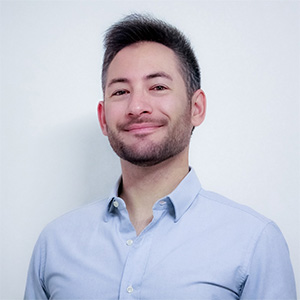
Francesco Andreata is an immunologist interested in the mechanisms that regulate the immune system, particularly in the liver, during chronic infections and cancer. After completing a PhD in Immunology at the Bio Sorbonne Paris Cité doctoral school in Paris, he has been working at San Raffaele Hospital in Milan since 2018. There, his early scientific training has been significantly enriched by a research fellowship from the Umberto Veronesi Foundation and the guidance of his mentor, Prof. Matteo Iannacone, and of Prof. Luca Guidotti.
His research focuses on T cells, which are responsible for eliminating viruses and cancer cells. In the context of chronic infections or tumors, these lymphocytes can enter a progressively inactive state, a phenomenon known as immune exhaustion. He has shown that the liver, due to its unique characteristics, promotes the onset of this state through mechanisms that differ from those observed in other organs. This implies that therapies effective in other chronic settings may prove ineffective in the liver, highlighting the need for organ-specific immunological strategies.
His research combines advanced technologies, such as spatial transcriptomics and two-photon intravital imaging, to precisely study immune cell behavior within tissues. These studies have led to the identification of new mechanisms of T cell dysfunction and contributed to the development of therapeutic strategies currently under preclinical evaluation. In this context, he collaborates with pharmaceutical companies to validate experimental molecules aimed at reactivating dysfunctional T cells, with results published in prestigious international scientific journals.
In 2024, he received the Career Development Award from the MERU Foundation and, in 2025, a Starting Grant from the Italian Science Fund (FIS). That same year, he received the Feltrinelli Prize for Young Researchers in Biology from the National Academy of the Lincei. He now leads a team studying how to reprogram dysfunctional immune responses in tissues to make them more effective against chronic infections and tumors. He is actively involved in training young researchers and fostering knowledge transfer between academia, industry, and the nonprofit sector. He participates as invited speaker at international conferences, is a member of scientific societies, and serves on editorial boards for specialized journals.